

Carl Palme (1879-1960)
Price:6500 SEK579 EUR624 USDChange Currency
Dimensions: Height 34 cm (14 inches) x Width 36 cm (15 inches)
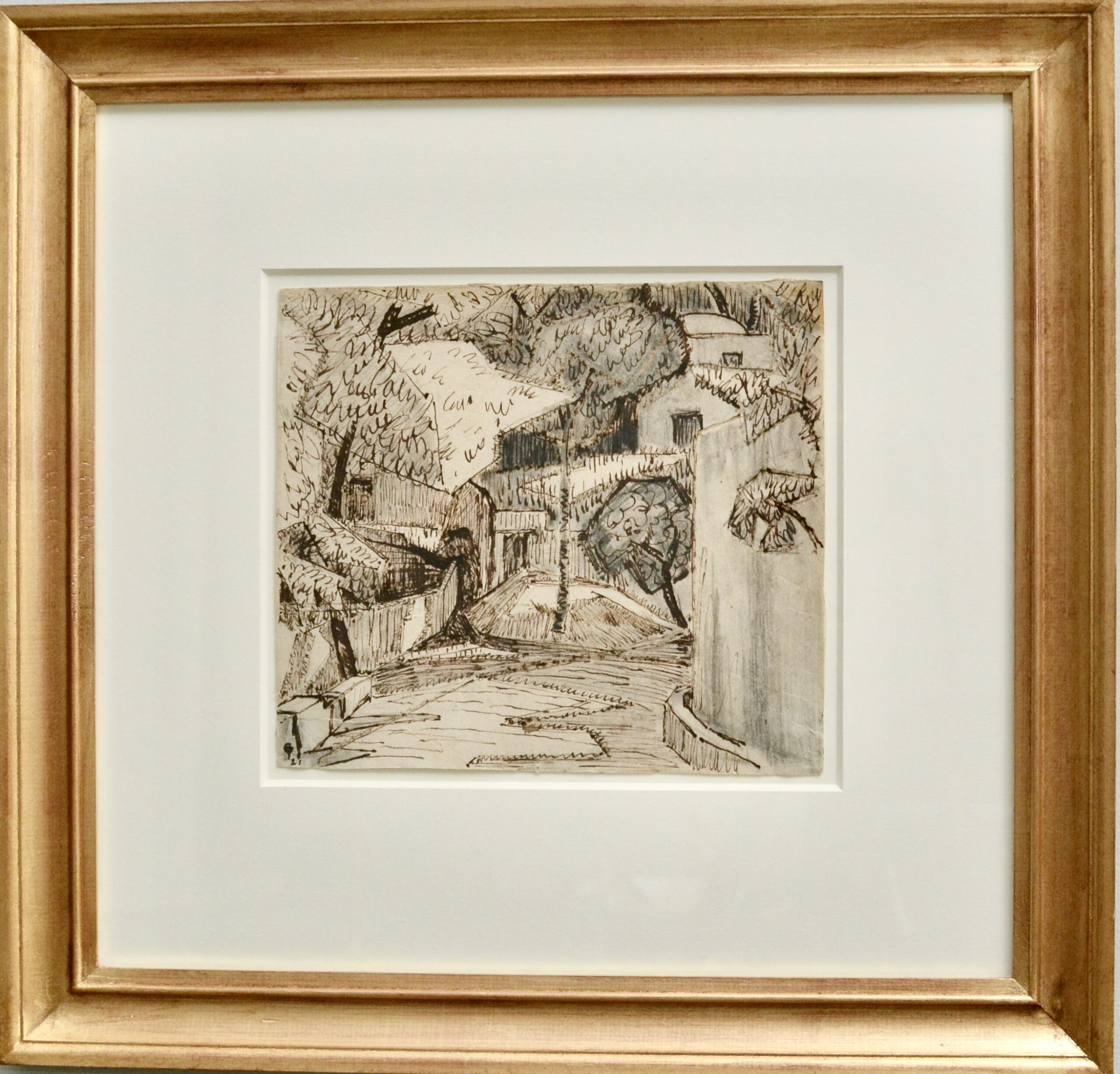
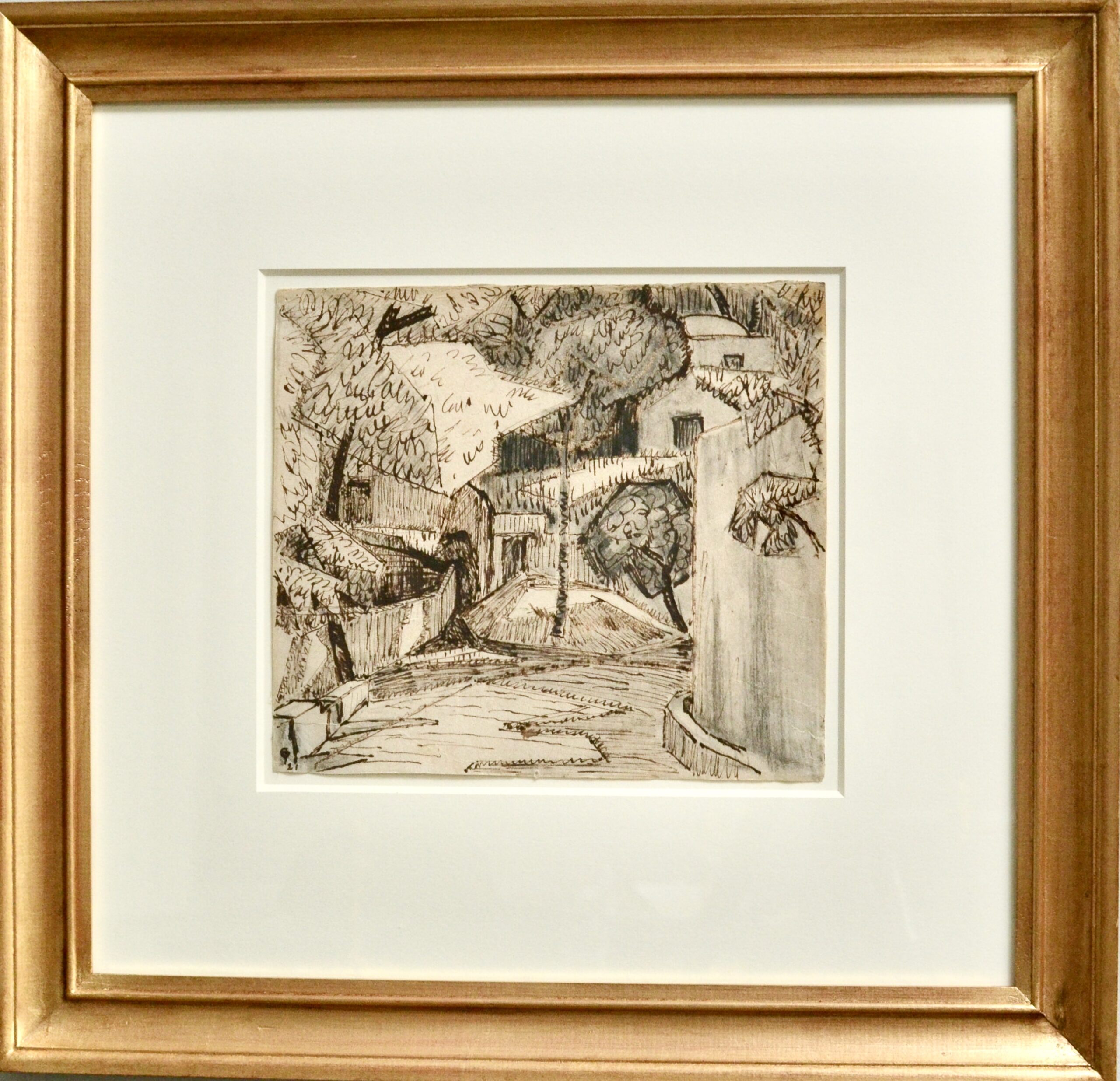
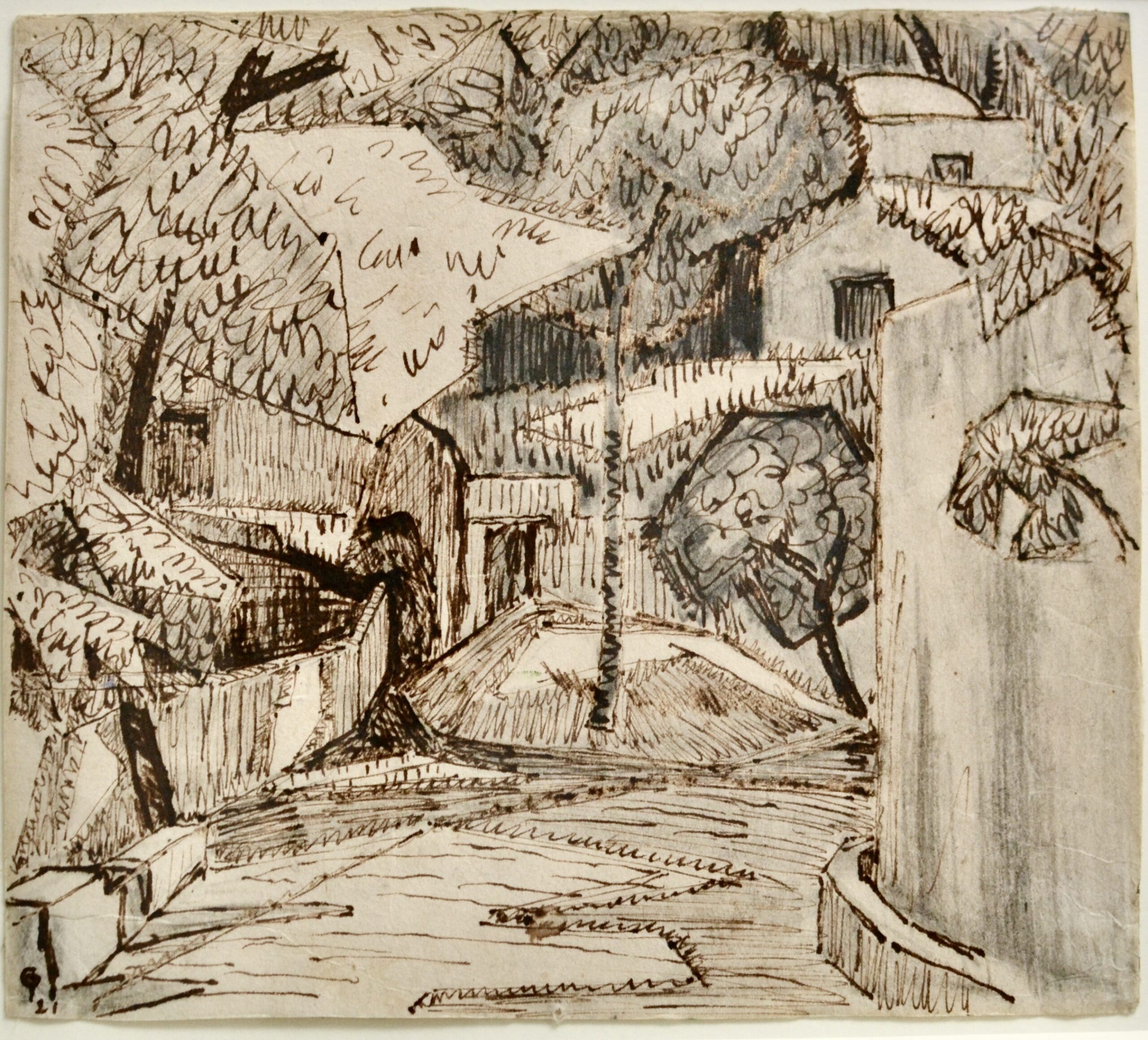
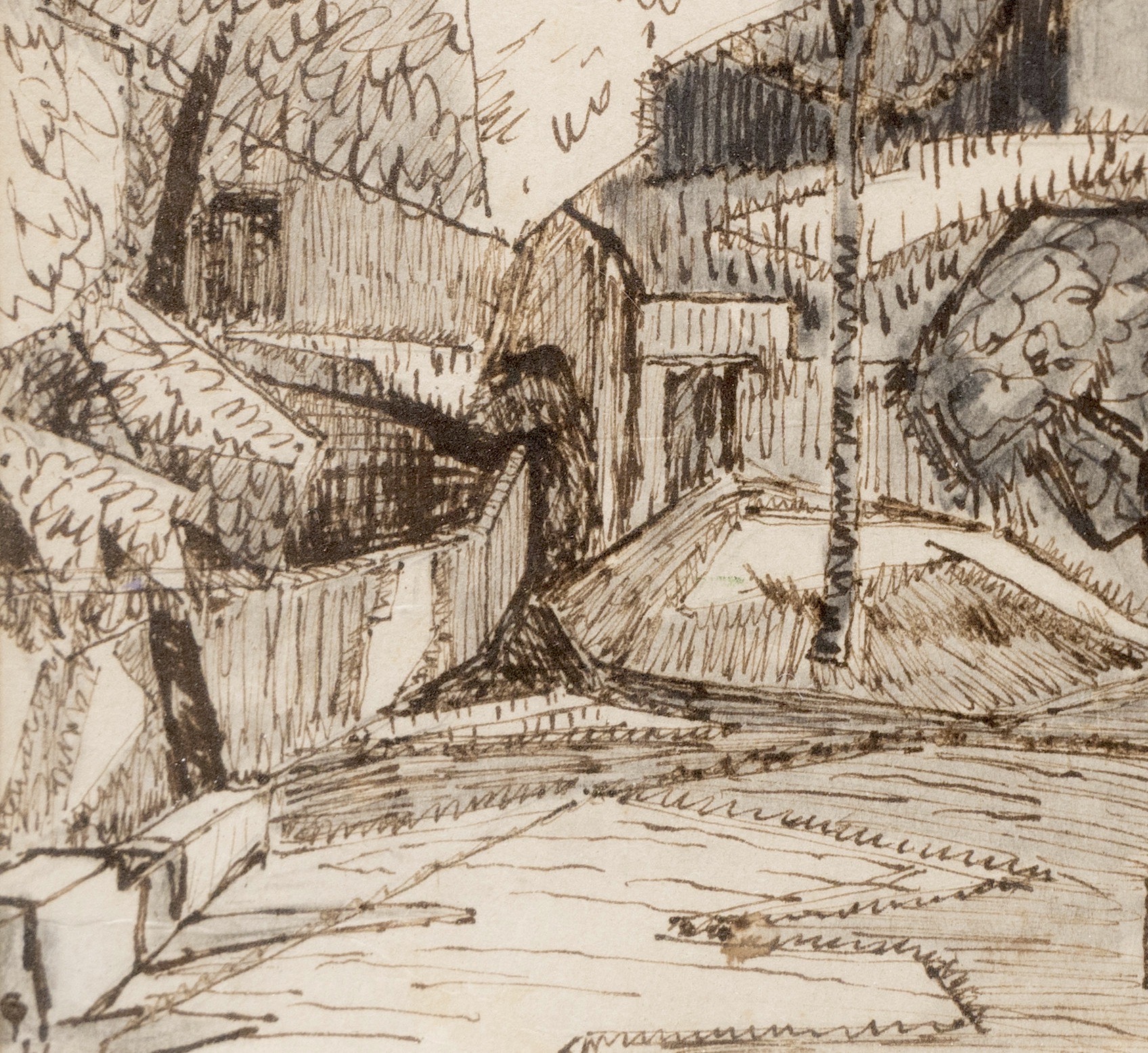
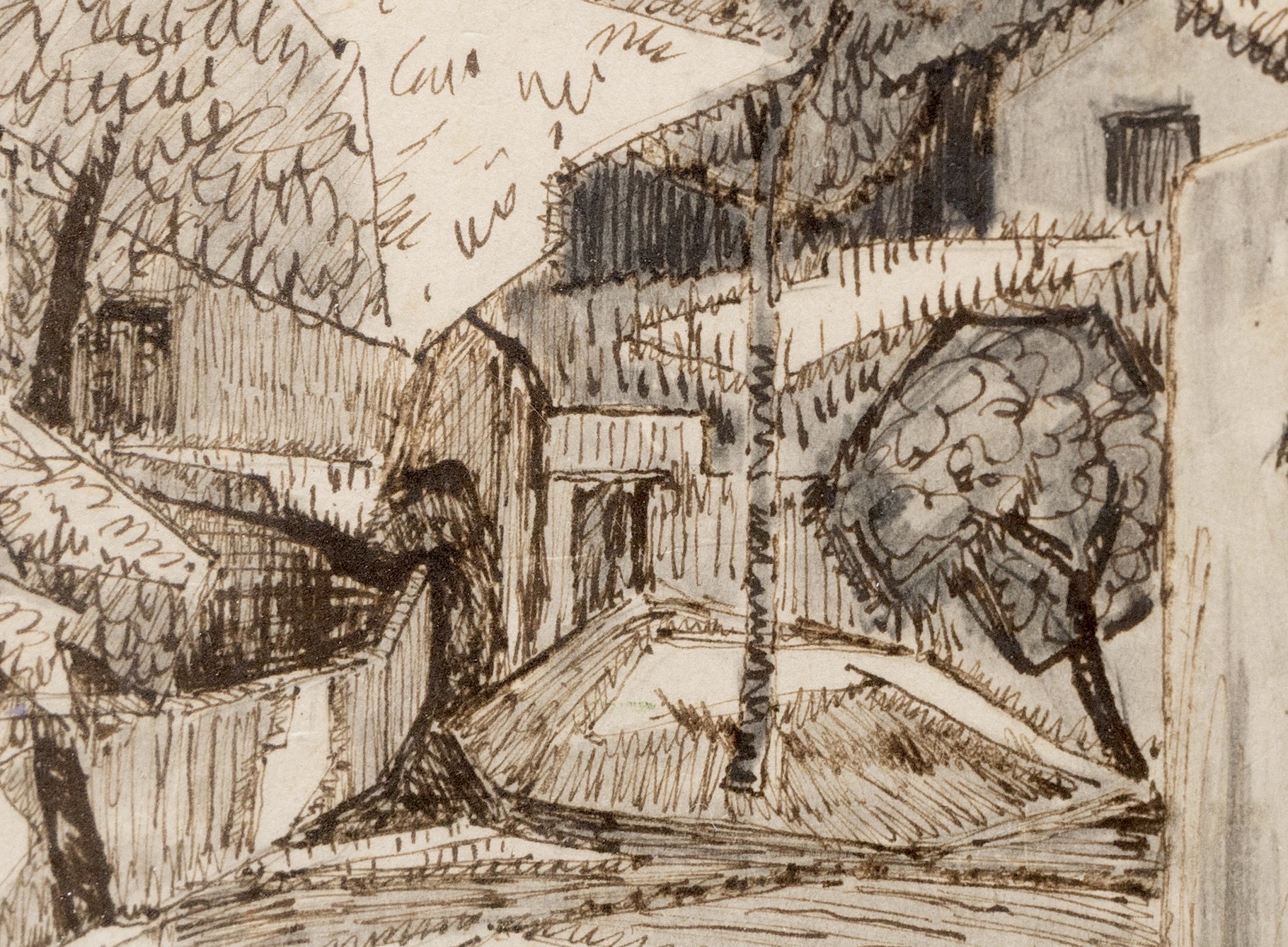
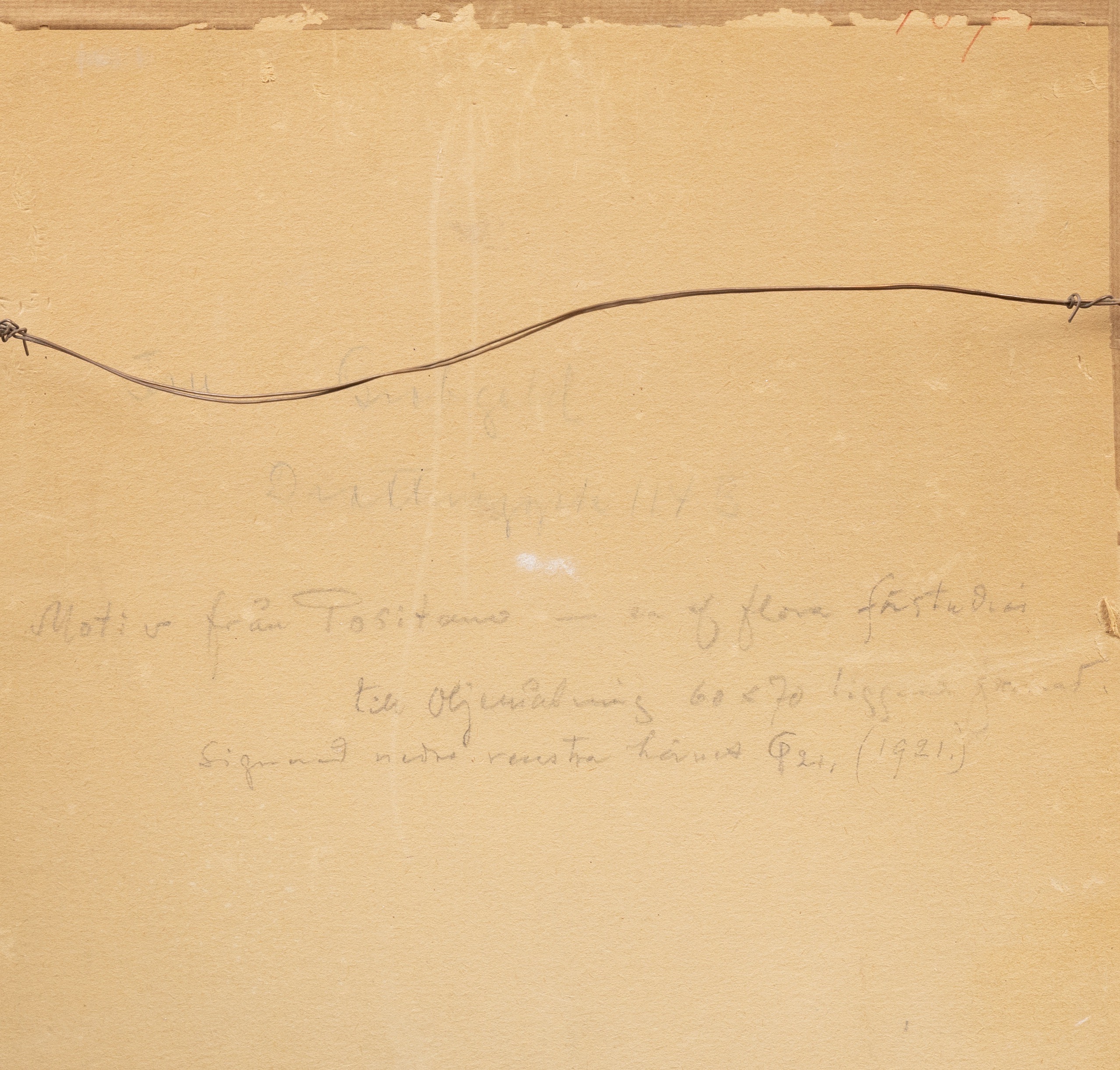
Positano. Ink and watercolor drawing by Carl Palme, dated 1921 and signed "CP," captures the narrow alleys of Positano. According to a note on the reverse, it is a study for an oil painting measuring 70x60 cm. Works from the early 20th century by Carl Palme are rare, making this piece particularly significant.
Drawing 20x24cm. With frame 34x36cm
Carl Adolf Palme (1879 – 1960) was a Swedish painter, draftsman, printmaker, and author. Born in Stockholm to bank director Henrik Palme and Anna Lavonius, he grew up on the Svalnäs estate, which is now a guest home and senior residence.
Palme's artistic education began in London at the Slade School of Fine Art (1900–1901). He then studied at Wassily Kandinsky's art school in Munich from 1902 to 1904. In 1907, he moved to Paris and became the first Swedish student of Henri Matisse. Palme was instrumental in founding the Académie Matisse, a collective of young Swedish and Norwegian artists who rented a large studio in Paris. Matisse visited weekly to critique their work. This group included notable artists such as Isaac Grünewald, Sigrid Hjertén, and Einar Jolin.
Between 1908 and 1914, Palme frequently visited Positano near Sorrento, Italy, where he produced numerous paintings. In 1914, after meeting Emil Orlik in Berlin, he shifted focus to color woodcuts, developing a technique that involved carving multiple blocks—one for each color—to achieve rich, complex effects.
His works are represented in several prominent institutions, including the National Museum and Moderna Museet in Stockholm, the Gothenburg Museum of Art, Malmö Museum, and Prince Eugen's Waldemarsudde. In 1950, Palme published "Konstens Karyatider," a humorous account of his artistic life across various countries, providing insights into his unique color woodcut technique. From 1933 until his death in 1960, he resided and worked in Villa Fostorp, Katrineholm.
Positano is a small village and municipality on the Amalfi Coast in the province of Salerno, Campania, located about an hour and a half south of Naples in southwestern Italy. The village is largely made up of stairways, as it is built on a steep hillside.
Positano was a significant port in the Duchy of Amalfi during the Middle Ages and flourished in the 16th and 17th centuries. However, by the mid-19th century, difficult times had set in, leading more than half of the population to emigrate.
In the first half of the 20th century, Positano remained a relatively poor fishing village. Tourism began to grow in the 1950s, particularly after John Steinbeck published an essay about Positano in 1953, bringing international attention to the picturesque coastal town.